Understanding What a Remote Closer Is
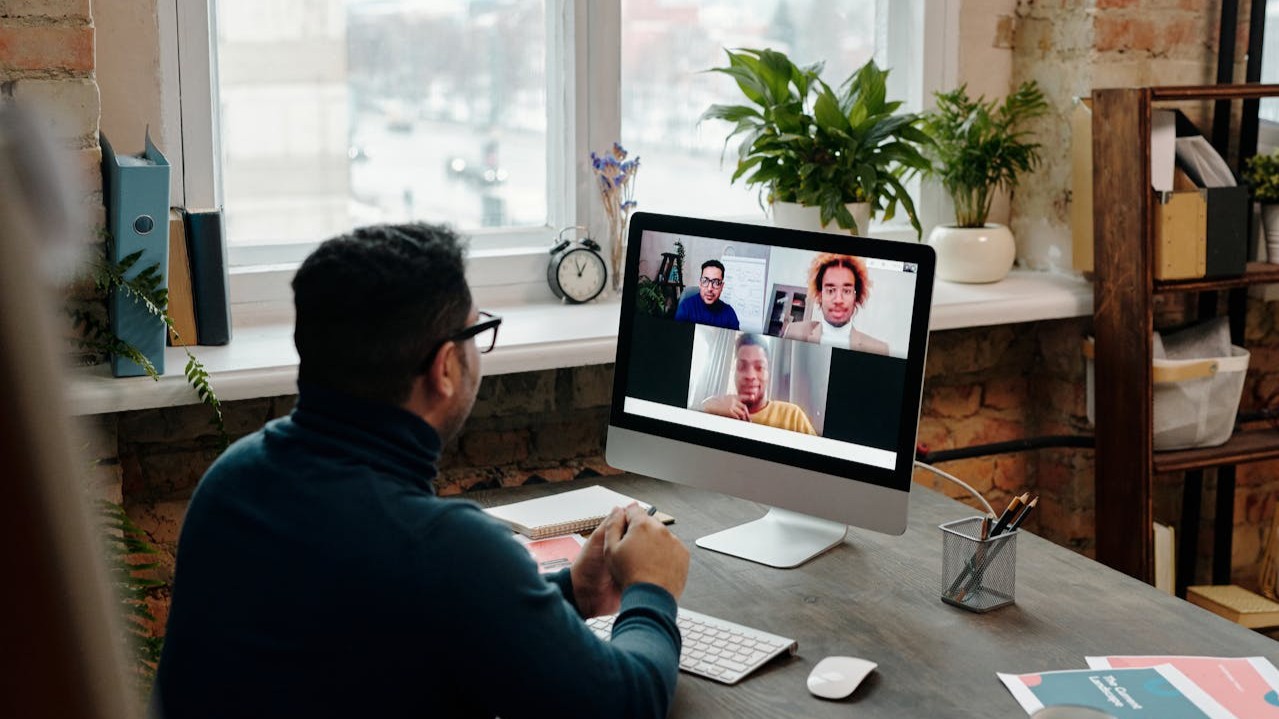
A remote closer is a sales professional who works virtually to convert qualified leads into paying customers, typically for high-ticket products or services. When people ask what is a remote closer, they are usually referring to someone who handles the final stage of the sales process without meeting clients in person. This role has become increasingly important as businesses shift toward digital operations and global customer bases. Remote closers rely heavily on video calls, phone conversations, and online communication tools to engage prospects. Their primary goal is to guide potential buyers toward a confident purchasing decision. Unlike traditional sales roles, they do not usually cold call or generate leads themselves. Instead, they focus on closing deals with warm or pre-qualified prospects. This makes the role highly specialized and performance-driven.
How Remote Closing Works in Today’s Sales Ecosystem
Remote closing operates within a structured sales funnel where different roles contribute to the final conversion. The process begins when marketing teams generate interest through ads, content, or outreach campaigns. Appointment setters then qualify and schedule calls with potential customers. Once these leads are handed over, the remote closer steps in to conduct the sales conversation. The entire interaction often takes place through video conferencing platforms, allowing real-time communication and trust-building. Remote closers ask strategic questions to understand the prospect’s needs and goals. They then align the offer with those needs in a persuasive but consultative manner. The process is designed to feel natural rather than aggressive, which increases conversion rates significantly.
Key Responsibilities of a Remote Closer
The responsibilities of a remote closer are focused on persuasion, communication, and deal finalization. They are expected to handle high-value conversations with confidence and clarity. A major part of their job involves understanding customer pain points and presenting tailored solutions. They must also manage objections effectively without sounding pushy or defensive. Following up with undecided prospects is another critical responsibility. Remote closers are also responsible for updating CRM systems with accurate sales data. Collaboration with marketing and lead generation teams ensures a smooth workflow. Meeting revenue targets is a key performance indicator in this role.
Essential Skills Needed to Become a Remote Closer
To succeed as a remote closer, a combination of soft skills and strategic thinking is required. Communication is the foundation of success in this role because every deal depends on conversation quality. Active listening is equally important since it allows closers to understand what the customer truly wants. Emotional intelligence helps in reading tone, hesitation, and buying signals during virtual interactions. Confidence plays a major role when presenting high-ticket offers. Time management is necessary because remote work requires self-discipline.
Core Skills Breakdown
-
Strong verbal communication and persuasion ability
-
Active listening and empathy
-
Confidence in handling objections
-
Ability to build trust quickly online
-
Strategic questioning techniques
-
Sales psychology understanding
-
Self-discipline in remote environments
Each of these skills contributes to improving close rates and overall performance in digital sales environments.
Tools and Technology Remote Closers Use Daily
Remote closers rely heavily on digital tools to manage their workflow and communication. Customer Relationship Management (CRM) systems help track leads, conversations, and deal progress. Video conferencing tools allow face-to-face interaction without physical presence. Dialers and calling software streamline outbound and inbound communication. Scheduling tools help organize appointments efficiently. Messaging platforms support team collaboration and quick updates. Analytics dashboards provide insights into performance and conversion rates. Payment and contract tools make it easy to finalize transactions quickly and securely. These tools create a seamless ecosystem that supports remote selling at scale.
Industries That Commonly Hire Remote Closers
Many industries now depend on remote closers to handle their high-ticket sales operations. Online coaching businesses frequently use remote closers to sell programs and mentorship packages. Digital marketing agencies rely on them to close service contracts with clients. SaaS companies use remote closers to convert enterprise-level software subscriptions. E-learning platforms depend on them to enroll students in premium courses. Real estate investment firms also use remote closers for property deals. Financial service providers hire them for investment consultations. Health and fitness brands often sell transformation programs through remote closing systems. These industries share one common factor: high-value transactions that require personalized communication.
Differences Between a Remote Closer and Other Sales Roles
Understanding what is a remote closer becomes clearer when comparing it to other sales roles. A remote closer focuses only on closing deals rather than generating leads. Appointment setters, on the other hand, are responsible for booking sales calls. Traditional sales representatives may handle both prospecting and closing. Account executives often manage long-term client relationships in addition to sales. Remote closers specialize in high-ticket conversions and structured sales calls. Their income is typically commission-based rather than salary-heavy. This specialization allows them to focus deeply on persuasion and negotiation.
How Remote Closers Earn Income
Remote closers usually operate on a commission-based income model. This means their earnings depend on how many deals they successfully close. High-ticket sales often involve products or services worth thousands of dollars. Even a small commission percentage can result in significant income per deal. Some companies offer base salaries plus commissions, while others are strictly performance-based. The earning potential increases with experience and close rate efficiency. Consistency is key to building stable income in this field. High-performing closers can earn substantial monthly revenue when working with premium offers.
Pathway to Becoming a Remote Closer
Becoming a remote closer does not always require formal education, but it does require skill development and practice. Many professionals start by learning sales fundamentals and communication techniques. Practicing role-play conversations helps build confidence. Entry-level sales positions can provide valuable experience. Online training programs and mentorships are common learning paths. Building a personal brand can also help attract opportunities. Freelance platforms sometimes list remote closing roles. Over time, performance and experience determine long-term success in the field.
Common Challenges Faced by Remote Closers
Remote closers face several challenges despite the attractive earning potential. One major challenge is dealing with rejection on a regular basis. Another difficulty is maintaining motivation without a structured office environment. Lead quality can also vary, affecting conversion rates. Time zone differences may complicate scheduling calls with international clients. Building trust without face-to-face interaction requires strong communication skills. Performance pressure can be intense due to commission-based income structures. Adaptability is necessary to overcome these challenges effectively.
Strategies to Improve Performance as a Remote Closer
Improving performance as a remote closer requires continuous learning and practice. Refining communication skills is one of the most effective ways to increase conversions. Studying buyer psychology helps in understanding decision-making behavior. Reviewing recorded sales calls provides insights into areas of improvement. Practicing objection handling improves confidence during live conversations. Staying organized with CRM tools ensures no lead is missed. Building product knowledge allows for more persuasive presentations.
Performance Improvement Strategies
-
Analyze past calls to identify weaknesses
-
Practice objection handling daily
-
Improve storytelling techniques
-
Strengthen emotional intelligence
-
Track conversion rates consistently
-
Learn from top-performing closers
-
Stay updated on sales trends
These strategies help remote closers improve consistency and long-term performance.
Frequently Asked Questions About What Is a Remote Closer
What is a remote closer in simple terms?
A remote closer is a salesperson who works online to close deals, usually for high-ticket products or services.
Do remote closers need prior sales experience?
Not always, but experience helps improve confidence and conversion rates.
How much can a remote closer earn?
Earnings vary widely depending on commission structure and deal value.
Is remote closing a full-time job?
It can be either full-time or freelance depending on the company.
What industries hire remote closers?
Industries include coaching, SaaS, real estate, digital marketing, and online education.
Can remote closers work from anywhere?
Yes, as long as they have internet access and can attend scheduled calls.
Takeaway
Remote closing is a modern sales profession that blends communication, psychology, and digital tools to drive high-value conversions. Understanding what is a remote closer helps reveal how essential this role has become in today’s online business landscape. The career offers flexibility, high earning potential, and global opportunities for those who develop the right skills. Success depends on mastering communication, understanding buyer behavior, and consistently improving performance. As businesses continue shifting online, the demand for skilled remote closers is expected to grow even further.