What Is Remote Closer in Today’s Digital Sales World
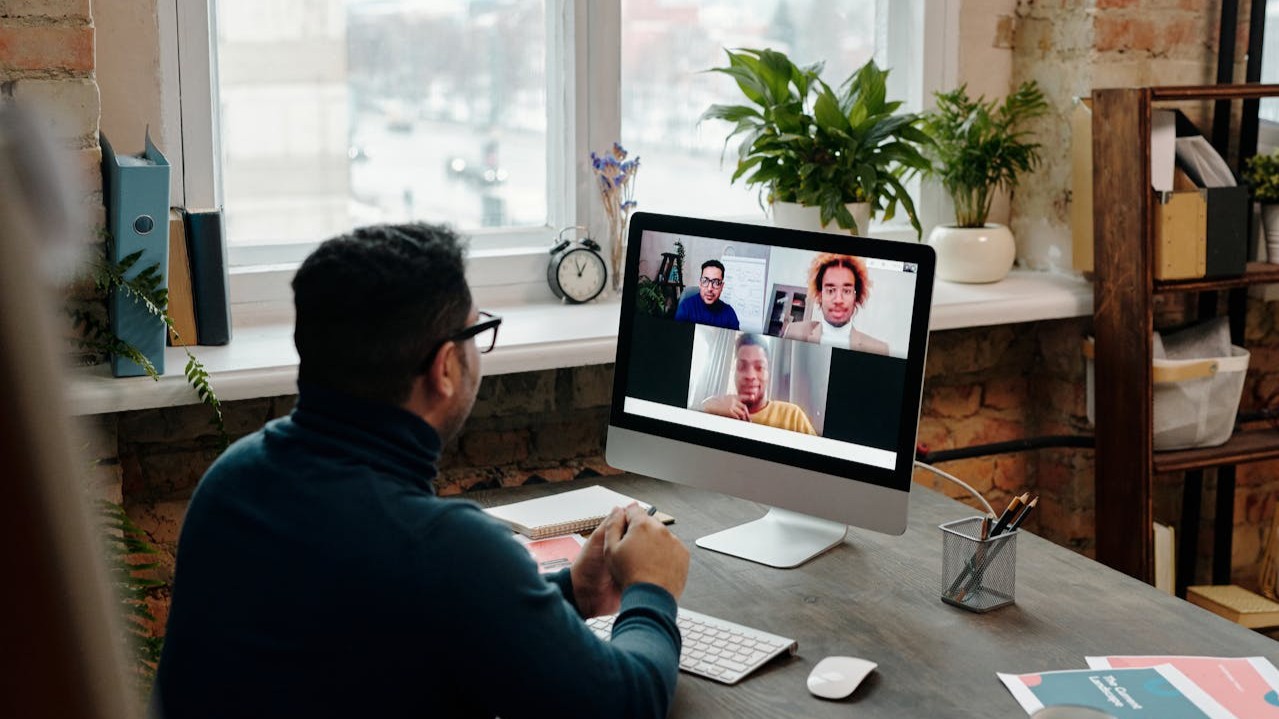
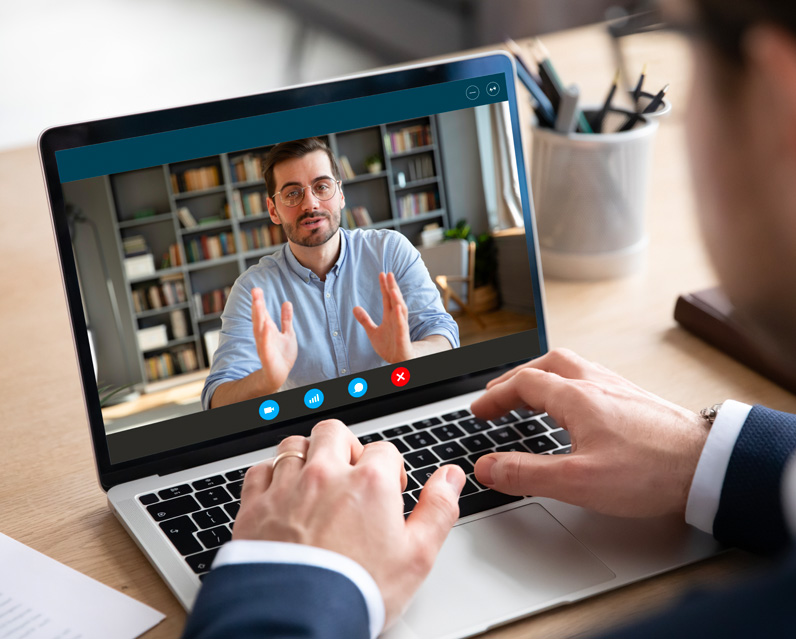
A remote closer is a sales professional who completes transactions with potential customers without meeting them in person. The term what is remote closer refers to a specialized role focused on closing high-value deals through phone calls, video meetings, or online communication tools. Unlike traditional sales roles that rely on face-to-face interactions, this position operates entirely in virtual environments. Remote closers typically step into the sales process after leads have already been generated and qualified by another team. Their primary responsibility is to convert interested prospects into paying customers through structured conversations. This role has become increasingly important as businesses shift toward digital-first sales systems. Many companies now rely on remote closers to handle high-ticket offers that require strong communication and persuasion skills.
Remote closing is often associated with industries that sell premium services or products online. These may include coaching programs, software solutions, or consulting packages. The role requires a deep understanding of human psychology and decision-making behavior. A remote closer must be able to quickly build trust with someone they have never met in person. Because of this, communication skills are far more important than physical presence. The entire process is designed to replicate traditional sales effectiveness in a virtual setting.
Role of Remote Closers in the Modern Sales Landscape
The sales world has changed dramatically with the rise of online businesses, making the question what is remote closer more relevant than ever. Remote closers are now a key part of digital sales teams that operate globally. They allow companies to scale without needing physical offices or in-person meetings. Businesses benefit from hiring closers who can work across different time zones and markets. This flexibility increases revenue potential while reducing operational costs.
Remote closers also act as the final step in a structured sales funnel. They work closely with marketing teams and appointment setters who bring in qualified leads. Their job is to focus only on prospects who have shown genuine interest in the product or service. This allows them to maximize efficiency and focus on high-value conversations. In many cases, remote closers are responsible for some of the highest revenue-generating activities in a company.
How Remote Closing Works in Real Sales Systems
Understanding what is remote closer also involves knowing how the system operates behind the scenes. The process begins with lead generation, where potential customers are attracted through ads, content, or outreach campaigns. These leads are then filtered based on interest level and readiness to buy. Once qualified, the leads are scheduled for a sales call with a remote closer. The entire interaction takes place through digital platforms such as Zoom, Google Meet, or phone calls.
The remote closer follows a structured conversation flow designed to identify needs and present solutions. They listen carefully to the prospect’s problems and match them with the offer being sold. Instead of pushing a product, they guide the conversation toward a logical buying decision. The use of CRM systems helps track customer information and call outcomes. This structured workflow ensures consistency and efficiency across the sales process.
Difference Between Remote Closer and Traditional Sales Closer
The concept of what is remote closer becomes clearer when compared to traditional sales roles. A traditional closer typically works in physical offices or retail environments. They often rely on in-person meetings and direct customer interaction. Remote closers, on the other hand, operate entirely online. This gives them more flexibility in terms of location and working hours.
Another key difference is lead handling. Traditional salespeople may be responsible for generating their own leads, while remote closers usually receive pre-qualified prospects. Compensation structures can also vary significantly, with remote closers often working on commission-based income. This means their earnings depend heavily on performance. Additionally, remote closers rely more on digital tools and communication platforms than physical materials or in-store interactions.
Core Responsibilities of a Remote Closer
To fully understand what is remote closer, it is important to examine daily responsibilities. Remote closers are responsible for conducting sales calls with potential clients. They must guide conversations in a way that uncovers needs and builds trust. Handling objections is a critical part of their job, as many prospects may hesitate before making a purchase. They must also clearly explain the value of the offer being presented.
Follow-up communication is another key responsibility. In some cases, prospects may not make a decision during the first call. Remote closers often reconnect with these leads to continue the conversation. Accurate documentation in CRM systems is also essential for tracking performance. Every interaction contributes to refining sales strategies and improving conversion rates.
Skills Required for Remote Closing Success
The question what is remote closer naturally leads to understanding required skills. Strong communication is the foundation of success in this role. A remote closer must be able to explain ideas clearly and persuasively. Emotional intelligence is also important because it helps in understanding customer motivations. Listening skills are equally critical, as they allow closers to identify real problems behind customer objections.
Self-discipline plays a major role in remote work environments. Since there is no physical supervision, closers must manage their own schedules effectively. Confidence is also necessary when handling high-value conversations. Adaptability is important because different clients require different communication approaches. These combined skills create a strong foundation for consistent performance in remote closing roles.
Tools and Technology Used by Remote Closers
Modern sales professionals exploring what is remote closer must also understand the tools involved. Remote closers use CRM platforms to manage customer data and track interactions. Video conferencing tools like Zoom are commonly used for sales calls. Dialers and communication software help streamline phone conversations with leads.
Scheduling tools are also essential for booking appointments efficiently. Many remote closers rely on structured scripts or frameworks to guide conversations. Analytics platforms provide insights into performance metrics such as conversion rates. These tools work together to create a seamless remote sales environment.
Industries That Depend on Remote Closers
The role described by what is remote closer is widely used across multiple industries. Online coaching businesses frequently hire remote closers to sell high-ticket programs. SaaS companies rely on them to convert software trials into paid subscriptions. Digital marketing agencies use closers to sell service packages to business clients. Financial education platforms also depend on remote sales teams for revenue generation.
Other industries include consulting, e-learning, and personal development. These businesses often deal with high-value products that require persuasive communication. Remote closers help bridge the gap between interest and purchase decision. Their role is essential in converting warm leads into long-term customers.
Step-by-Step Remote Sales Call Process
Understanding what is remote closer requires breaking down the actual call process. The first step involves preparation, where closers review lead information before the call. The second step is building rapport and establishing trust with the prospect. This helps create a comfortable environment for open communication.
Next comes discovery, where the closer asks questions to understand the client’s needs. After that, the offer is presented in a structured and value-driven way. Objection handling follows, where concerns are addressed carefully. Finally, the conversation moves toward a decision, whether positive or delayed.
How Remote Closers Find and Work With Leads
Remote closers do not usually search for their own leads. Instead, they rely on marketing systems that generate interest. These systems may include paid ads, webinars, or social media campaigns. Appointment setters often filter and qualify leads before passing them to closers.
This structured approach ensures that closers focus only on high-quality prospects. It increases efficiency and improves conversion rates. In some cases, leads come from email funnels or automated booking systems. This makes the entire sales process more predictable and scalable.
Income Potential in Remote Closing Careers
The topic what is remote closer often attracts attention because of income potential. Remote closers typically earn through commission-based structures. This means their earnings depend on the number of deals they close. High-ticket sales can result in significant income per deal.
Experienced closers often earn substantially more than entry-level professionals. Income can vary from month to month depending on performance. Some companies also offer bonuses for exceeding sales targets. This creates strong motivation for consistent improvement and skill development.
Training Path to Become a Remote Closer
Becoming a remote closer requires structured learning and practice. Many beginners start with online sales training programs. These programs teach communication techniques and objection handling strategies. Role-playing exercises are often used to simulate real sales calls.
Mentorship programs can also help accelerate learning. Practical experience is essential for developing confidence. Continuous improvement is a key part of long-term success. Many professionals refine their skills over time through consistent practice.
Challenges Faced in Remote Closing Roles
Understanding what is remote closer also involves recognizing challenges. One major challenge is handling rejection during sales calls. Not every prospect will make a purchase decision. This can affect motivation if not managed properly.
Income instability is another challenge due to commission-based pay. Remote closers must also stay disciplined while working independently. Difficult conversations with hesitant prospects can be emotionally demanding. However, overcoming these challenges often leads to stronger performance over time.
Traits of High-Performing Remote Closers
Successful remote closers share several important traits. They are highly self-motivated and goal-oriented. Strong communication skills allow them to connect with different types of clients. They remain calm under pressure during difficult conversations.
Persistence is another key trait, as sales often require multiple touchpoints. High performers are also adaptable and quick to learn. Ethical selling practices help build long-term trust with clients. These traits contribute significantly to consistent success in the role.
How to Get Started in Remote Closing
Starting a career in remote closing begins with learning sales fundamentals. Understanding what is remote closer is the first step toward entering the field. Beginners should focus on communication practice and role-playing exercises. Building confidence through repetition is essential.
Applying for entry-level remote sales roles is another important step. Networking in online business communities can also open opportunities. Many professionals start in appointment setting before moving into closing roles. Over time, experience leads to higher earning potential.
Common Mistakes Beginners Make
New remote closers often make avoidable mistakes. One common issue is talking too much instead of listening. Another mistake is not fully understanding the product being sold. Some beginners fail to follow structured sales processes.
Inconsistent follow-ups can also reduce conversion rates. Emotional decision-making during calls can negatively impact performance. Avoiding these mistakes helps improve long-term success in the field.
Improving Conversion Rates as a Remote Closer
Improving performance is essential for anyone exploring what is remote closer as a career path. Effective communication techniques can significantly increase conversion rates. Here are key strategies:
-
Ask open-ended questions to understand customer needs deeply
-
Use storytelling to make offers more relatable
-
Maintain a structured call flow for consistency
-
Practice objection handling regularly through role-play
-
Build emotional connection before presenting solutions
-
Track performance metrics and refine strategies continuously
These methods help remote closers improve their effectiveness over time. Consistent practice leads to stronger results and higher earnings.
Future of Remote Closing Careers
The future of remote closing looks promising as businesses continue shifting online. More companies are adopting virtual sales models across industries. Automation and AI tools are also enhancing sales efficiency. However, human communication remains essential for closing deals.
Global hiring trends are expanding opportunities for remote professionals. Remote closing is becoming a long-term career path rather than a temporary trend. Demand for skilled closers is expected to grow steadily.
FAQ About What Is Remote Closer
What is remote closer in simple terms?
A remote closer is a sales professional who completes deals through online communication instead of meeting clients in person.
Do remote closers need experience?
Experience is helpful but not always required. Many beginners start with training programs.
How do remote closers get paid?
Most remote closers earn through commissions based on the deals they close.
Is remote closing a real job?
Yes, it is a legitimate and growing role in digital sales industries.
What skills are most important for remote closers?
Communication, emotional intelligence, and confidence are key skills.
Can beginners succeed in remote closing?
Yes, with proper training and practice, beginners can build successful careers.
Takeaway
Understanding what is remote closer reveals a modern, flexible, and performance-driven sales career that operates entirely online. It combines communication skills, digital tools, and structured systems to close high-value deals across multiple industries. While it requires discipline and continuous learning, it also offers strong income potential and global opportunities. Remote closing continues to grow as businesses expand their online presence and demand skilled professionals who can convert leads into customers effectively.