Understanding High Ticket Closing
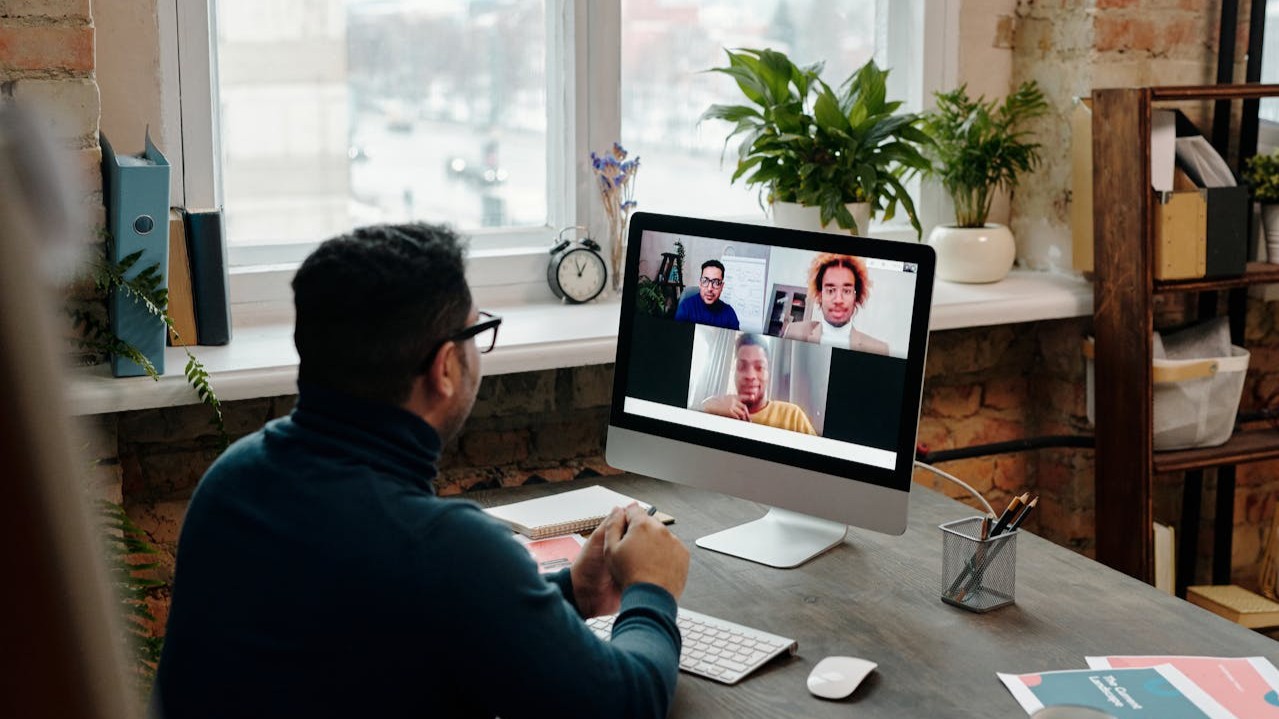
A remote high ticket closing job is one of the most lucrative opportunities in the modern sales landscape. Unlike traditional sales roles, high ticket closers focus on selling premium products or services, often ranging from thousands to tens of thousands of dollars. The value of each sale requires advanced communication, relationship-building, and negotiation skills. Closers are responsible not only for pitching but also for understanding a client’s pain points and tailoring solutions to their specific needs. Remote high ticket closers perform these tasks entirely online, using virtual meetings, email, and digital tools. The ability to connect with clients from different locations and industries adds a dynamic layer to the role. This career path is ideal for professionals who enjoy autonomy, high earning potential, and the challenge of closing significant deals.
High ticket closers are different from typical sales representatives in their approach and mindset. They often work with fewer clients, but each deal carries much more weight. The skill set is less about volume and more about precision, empathy, and strategy. Every interaction counts, and the relationship built with the client directly influences the likelihood of closing the deal. Many companies prefer remote high ticket closers for their flexibility and the ability to hire top talent regardless of geography. With globalization and the rise of digital services, the demand for skilled remote closers has increased significantly. Understanding the unique responsibilities of this role is the first step toward building a sustainable and high-income career in sales.
Remote high ticket closers often operate as independent contractors or part of a specialized sales team. They are accountable for meeting sales quotas and generating revenue while maintaining a professional image. Unlike standard sales positions that rely on in-office support, remote closers must manage their own schedules, tools, and client follow-ups. They often collaborate with marketing teams or product experts to craft compelling offers. The combination of autonomy, income potential, and skill development makes this career path highly attractive. Furthermore, the skills acquired as a remote closer—negotiation, persuasion, and client management—are highly transferable to other sales or entrepreneurial ventures.
The Growth of Remote High Ticket Closing
Remote high ticket closing has seen substantial growth in recent years, largely due to the digital transformation of businesses. Companies now recognize the benefits of hiring top-tier sales talent who can work from anywhere. With video conferencing, CRM software, and digital communication tools, distance no longer limits sales performance. Industries such as coaching, software as a service (SaaS), luxury goods, and high-end consulting are leading the demand for remote high ticket closers. These industries often have high-value products and services, making the role of a skilled closer essential.
The flexibility of a remote setup appeals to both companies and professionals. For closers, it means no commuting, freedom to create their own schedule, and the ability to work with global clients. For companies, hiring remotely opens access to a larger talent pool without geographic limitations. Another factor contributing to growth is the increasing focus on online business models. High-ticket services often require detailed, personalized sales processes that remote closers are uniquely equipped to handle. As technology continues to evolve, the remote high ticket closing market is expected to expand further, providing opportunities for ambitious sales professionals seeking high earnings and career freedom.
Remote work also allows closers to specialize in niches that interest them, ranging from high-end coaching programs to corporate software solutions. This specialization often results in higher conversion rates and better client satisfaction. Furthermore, working remotely enables a closer to manage multiple clients and deals simultaneously across different time zones. This international exposure not only enhances skills but also increases earning potential. As more businesses embrace remote sales, those with strong high ticket closing skills will be in high demand, making this career path both financially and professionally rewarding.
Core Skills Needed for Remote High Ticket Closing
To excel in a remote high ticket closing job, several core skills are essential. First and foremost, communication mastery is critical. Closers must listen actively, ask insightful questions, and clearly articulate the value of high-ticket offerings. Persuasive speaking, combined with empathy, ensures clients feel understood and respected. Negotiation skills are equally important, allowing closers to navigate objections and reach agreements that benefit both parties. Time management is a key differentiator for remote closers, as working independently requires discipline and organization. Familiarity with CRM tools, sales software, and virtual meeting platforms is a practical necessity in a fully remote environment.
Emotional intelligence also plays a significant role. High ticket deals often involve complex decision-making and sensitive client concerns. Being able to manage emotions—both your own and the client’s—can make or break a deal. Problem-solving skills are also essential, as remote closers must adapt strategies to fit different client needs and industries. A closer’s ability to research, understand a client’s business, and craft personalized solutions separates top performers from average ones.
Some key skills can be summarized in a practical checklist:
-
Active listening and empathetic communication
-
Persuasive and confident presentation skills
-
Strong negotiation and objection-handling techniques
-
Self-discipline and efficient time management
-
Proficiency with CRM, email marketing, and video conferencing tools
-
Analytical mindset for monitoring performance and optimizing sales
-
Emotional intelligence to build trust and long-term relationships
Mastering these skills allows remote high ticket closers to not only close deals consistently but also create a reputation for reliability and professionalism. Those who invest in skill development often find themselves in high demand, with more opportunities to earn larger commissions and bonuses.
Steps to Launch a Career in Remote High Ticket Closing
Starting a career as a remote high ticket closer requires a strategic approach. The first step is building a professional personal brand online. A strong LinkedIn profile, a polished portfolio, and testimonials from past clients or employers can make a significant difference. The next step involves finding remote opportunities. Platforms dedicated to high-ticket sales roles, specialized agencies, or direct company positions are common sources. Networking plays a crucial role in landing high-value clients.
Once you identify potential opportunities, developing a strong sales portfolio is essential. This portfolio should highlight your previous sales achievements, even if they are from other sales roles, and demonstrate your ability to handle high-value clients. Continuous learning is also critical. Sales certifications, workshops, and coaching programs can help sharpen skills and stay competitive.
Here is a practical roadmap to begin your remote high ticket closing career:
-
Create a strong personal brand with a professional online presence
-
Identify remote high ticket closing job platforms or agencies
-
Build a portfolio demonstrating your sales experience and achievements
-
Network with decision-makers and potential clients online
-
Engage in continuous learning through certifications and coaching programs
-
Master the tools and software used in remote sales
-
Apply and practice consistently to gain experience and confidence
By following these steps, aspiring remote closers can position themselves for high-paying opportunities and develop a sustainable career in the high ticket sales industry.
Income Potential and Commission Structure
The earning potential in remote high ticket closing is one of its most appealing aspects. Unlike traditional salaried positions, high ticket closers often earn significant commissions on each deal. While salaries can vary depending on experience and industry, the commission-based model allows exceptional closers to earn six-figure incomes or more. Many high ticket closers combine base pay with performance bonuses, incentives, and profit-sharing, making it a highly rewarding career.
Industries that commonly hire remote high ticket closers include SaaS, business consulting, luxury services, and professional coaching. Each industry may have different commission structures, ranging from a percentage of the sale to tiered bonuses for exceeding quotas. The variability of deals also means closers can potentially negotiate higher commissions for larger transactions.
A closer’s earning potential is influenced by several factors:
-
Industry and niche specialization
-
Average deal size and frequency
-
Experience and negotiation skill
-
Ability to generate repeat clients or referrals
-
Networking and relationship management skills
-
Proficiency in closing deals remotely using digital tools
High ticket closers who understand these factors and actively seek opportunities to optimize their performance often enjoy greater financial stability and growth. Additionally, earning potential scales with skill level, making this role particularly appealing for ambitious sales professionals.
Overcoming Challenges in Remote High Ticket Closing
Despite the lucrative potential, remote high ticket closing comes with unique challenges. Handling client objections online can be more complex than face-to-face interactions. Virtual communication requires additional clarity and patience. Maintaining motivation without an office environment can also be challenging. Remote closers must develop habits to stay disciplined, focused, and proactive.
Isolation is another common challenge, as remote closers often work independently. Staying connected with team members and mentors through virtual meetings helps mitigate this. Burnout is a risk due to high pressure and performance-based earnings. Prioritizing work-life balance and scheduling downtime is critical for sustainable success.
Some strategies to overcome challenges include:
-
Setting clear daily goals and maintaining a structured routine
-
Using project management and CRM tools to stay organized
-
Engaging with peers or mentors for accountability and support
-
Regularly reviewing and refining sales strategies
-
Taking breaks to recharge and avoid mental fatigue
By implementing these strategies, remote high ticket closers can navigate obstacles effectively while maintaining performance and client satisfaction.
Tools and Technology for Remote High Ticket Closers
Technology is essential for remote high ticket closers to manage leads, communicate with clients, and track performance. CRM platforms, like Salesforce or HubSpot, help organize client information and monitor deals. Video conferencing software, such as Zoom or Microsoft Teams, is crucial for virtual presentations and meetings. Email automation tools streamline follow-ups and nurture campaigns, saving time and increasing efficiency.
Analytics and reporting tools allow closers to measure conversion rates, identify bottlenecks, and improve strategies. Other essential tools include scheduling apps, digital contracts, and e-signature platforms for seamless deal closing. The combination of these tools ensures remote closers remain productive, professional, and responsive to client needs.
Bullet points for essential tools:
-
CRM software for client tracking and management
-
Video conferencing platforms for virtual meetings
-
Email automation tools for follow-ups and campaigns
-
Analytics and reporting software for performance monitoring
-
Digital contracts and e-signature solutions
-
Project management tools for task organization
-
Scheduling apps for managing appointments and meetings
Mastering these tools allows remote high ticket closers to operate efficiently and effectively, giving them a competitive edge in a growing digital market.
Career Advancement Opportunities
Remote high ticket closing offers numerous paths for career growth. Experienced closers can move into sales management or executive roles, overseeing teams of other closers. Some professionals leverage their skills to start a remote sales agency or consultancy, providing high-ticket sales services to multiple clients. Scaling personal income is possible by specializing in high-demand niches or managing multiple clients simultaneously.
Long-term career advancement often depends on skill development, networking, and building a strong reputation. Repeat business and referrals also increase stability and revenue streams. Closers who continuously refine their techniques, stay updated on industry trends, and adopt new technologies often achieve higher performance levels and greater financial rewards.
Opportunities for career advancement include:
-
Transitioning to sales manager or director roles
-
Launching a remote sales agency or consultancy
-
Specializing in a profitable niche for higher commissions
-
Scaling income through multiple client engagements
-
Leveraging reputation for referral and repeat business
With dedication and strategic planning, a career in remote high ticket closing can evolve into a highly lucrative and fulfilling long-term profession.
Best Practices for Consistently Closing High Ticket Deals
High ticket deals require a refined approach to maintain consistency. Crafting persuasive scripts and proposals tailored to individual clients is essential. Personalization demonstrates a clear understanding of the client’s challenges and goals. Following up effectively, without appearing pushy, ensures deals move forward smoothly. Ethical use of psychological triggers, such as highlighting value, scarcity, or social proof, can help close deals responsibly.
Other practices include maintaining professionalism, preparing thoroughly before calls, and actively listening during conversations. Successful closers often review previous calls to identify areas for improvement. Continuous improvement, adaptability, and persistence are key to maintaining a high conversion rate.
Bullet points for best practices:
-
Personalize proposals for each client
-
Prepare and rehearse sales scripts
-
Listen actively and ask insightful questions
-
Follow up consistently without pressure
-
Highlight value and unique benefits of the offering
-
Review performance and refine strategies regularly
-
Maintain ethical and professional standards
Implementing these practices allows remote high ticket closers to achieve predictable results, maintain strong client relationships, and maximize earnings over time.
Frequently Asked Questions (FAQ)
What qualifies someone for a remote high ticket closing job?
Qualifications vary, but most companies look for strong sales experience, communication skills, and the ability to handle high-value deals. Familiarity with digital tools and remote work experience is a plus.
Can beginners start in high ticket sales without prior experience?
Yes, but they should focus on learning the fundamentals of high ticket closing, attending training programs, and practicing their skills with mentors or smaller deals before handling high-value clients.
How much can I realistically earn as a remote high ticket closer?
Earnings vary widely depending on experience, industry, and commission structure. Many remote closers earn six figures annually, while top performers can earn significantly more through commissions and bonuses.
What industries pay the highest commissions for remote closers?
SaaS, luxury services, consulting, coaching, and financial products often provide the highest commissions due to the high value of each deal.
Is remote high ticket closing sustainable as a long-term career?
Yes, with consistent performance, skill development, and adaptability, remote high ticket closing can be a stable and lucrative long-term career.
How do I handle objections from clients during a virtual sales call?
Handling objections effectively requires listening actively, empathizing with the client, and offering tailored solutions or alternative options that address their concerns while maintaining professionalism.
Takeaway
A remote high ticket closing job is a highly rewarding career for those who are ambitious, disciplined, and skilled in sales. The combination of flexibility, high earning potential, and professional growth makes it one of the most attractive remote sales opportunities today. By developing the right skills, leveraging technology, and adopting proven sales practices, anyone can succeed as a remote high ticket closer. With dedication and strategic effort, this career can offer financial freedom, career advancement, and the ability to work from anywhere in the world.