What High Ticket Closer Jobs Remote Actually Mean
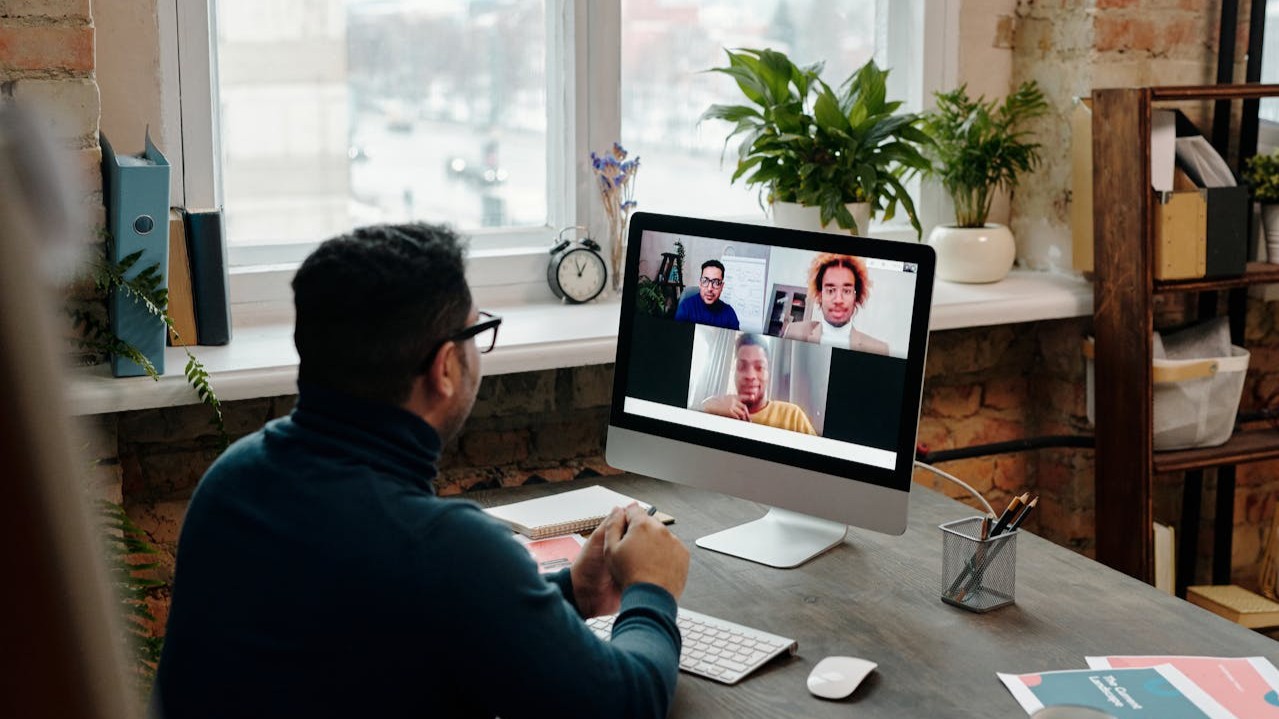
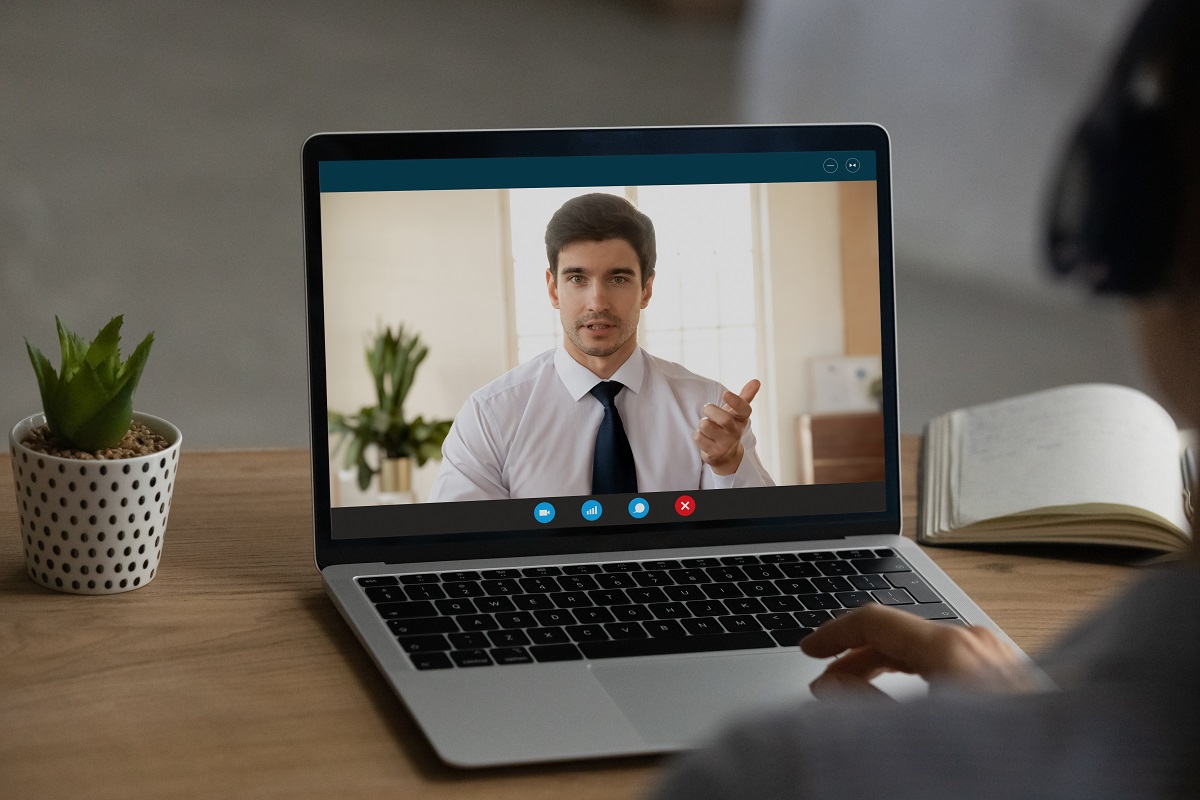
High ticket closer jobs remote refer to sales roles where professionals close high-value deals entirely from a remote environment using phone calls, video calls, and digital communication tools. These roles focus on converting qualified leads into paying customers for products or services that often range from hundreds to tens of thousands of dollars. In most cases, the leads are already warmed up through marketing funnels, webinars, or appointment setters, so the closer steps in at the final stage of the buying process. The core responsibility is not cold calling random prospects but guiding interested buyers toward a confident purchasing decision. Businesses rely on these closers because high-value offers require strong communication and trust-building skills. The remote nature of the job allows closers to work from anywhere while serving clients across different regions and time zones. This flexibility is one reason why high ticket closer jobs remote have become a rapidly growing career path in the digital economy.
The Rise of Remote High Ticket Sales Careers
Remote high ticket sales careers have expanded significantly due to the growth of online businesses, coaching programs, SaaS platforms, and digital education companies. Many entrepreneurs now operate fully virtual companies, eliminating the need for traditional in-house sales teams. Instead, they hire remote closers who can work independently and close deals from anywhere in the world. The shift toward digital learning and online consulting has increased the demand for skilled sales professionals who understand persuasion and relationship-building. Businesses also prefer commission-based structures, which reduce overhead costs while rewarding performance-driven individuals. High ticket closer jobs remote have become especially popular among freelancers and digital nomads seeking income flexibility. As remote work continues to normalize globally, more companies are building entire sales departments composed of remote professionals rather than office-based employees.
Core Responsibilities of a Remote High Ticket Closer
The responsibilities of a remote high ticket closer revolve around converting interested prospects into paying customers through structured conversations. These professionals handle scheduled calls with individuals who have already shown interest in a product or service. During these conversations, the closer identifies the prospect’s needs, challenges, and goals. They then align those needs with the solution being offered by the company. Rather than pushing aggressively, the focus is on guiding the conversation toward clarity and confidence in the decision-making process. Remote closers also update CRM systems, track call outcomes, and communicate feedback to sales teams.
Key responsibilities include:
-
Conducting scheduled sales calls with qualified leads
-
Understanding customer pain points and motivations
-
Presenting solutions in a clear and compelling way
-
Handling objections with structured responses
-
Recording and tracking call outcomes in CRM systems
-
Collaborating with marketing and sales teams
High ticket closer jobs remote require consistency, emotional intelligence, and the ability to stay focused in a performance-driven environment.
Essential Skills Required for High Ticket Closer Jobs Remote
Success in high ticket closer jobs remote depends heavily on skill development rather than formal education. Communication skills play the most important role because every sale depends on how effectively a closer can build trust and explain value. Emotional intelligence is equally important since understanding a prospect’s hesitation can determine whether a deal closes or not. Active listening allows closers to respond accurately instead of relying on scripted responses alone. Objection handling is another critical skill, as high-value purchases often involve hesitation and comparison.
Other important skills include:
-
Strong verbal communication and clarity
-
Confidence during high-stakes conversations
-
Ability to build rapport quickly
-
Time management and self-discipline
-
Sales psychology and buyer behavior understanding
-
Adaptability in different conversation flows
Remote environments require additional discipline since there is no physical supervision, making consistency a defining factor in long-term success.
How Remote High Ticket Closers Get Paid
Compensation for high ticket closer jobs remote is typically performance-based, meaning income is directly tied to the number of deals closed. Most closers earn commissions ranging from 5% to 20% per sale, depending on the company and product pricing. In some cases, experienced closers may also receive base pay plus commission, but pure commission roles are more common. Because products are high ticket, even a few successful closes per week can generate significant income. Earnings vary widely depending on skill level, industry, and offer price points.
Typical earning structures include:
-
Entry-level closers earning commission per sale
-
Mid-level closers earning consistent monthly income from repeat deals
-
Senior closers handling premium offers with higher commission rates
-
Performance bonuses for exceeding sales targets
Income potential is one of the biggest attractions of high ticket closer jobs remote, especially for individuals seeking financial independence through remote work.
Industries Actively Hiring Remote High Ticket Closers
Several industries rely heavily on remote closers to drive revenue. Coaching and mentorship programs are among the largest employers, offering high-value packages that require strong sales conversations. SaaS companies also depend on closers to convert enterprise clients and subscription-based users. Digital marketing agencies frequently hire closers to sell service packages such as lead generation, branding, and advertising solutions. Online education platforms use closers to convert students into premium programs. Consulting firms in business, fitness, and personal development also rely on remote closers to close high-value deals.
These industries benefit from closers because:
-
Products often require explanation and trust-building
-
Sales cycles involve consultation rather than instant purchases
-
Customer lifetime value is high
-
Personalized communication increases conversion rates
High ticket closer jobs remote continue to expand as more businesses shift toward digital-first sales strategies.
How to Start in High Ticket Closer Jobs Remote Without Experience
Starting in high ticket closer jobs remote without experience is possible, but it requires structured learning and practice. Many beginners begin by studying sales fundamentals through online courses or mentorship programs. Practicing mock calls helps build confidence and familiarity with real sales conversations. Some individuals start as appointment setters before transitioning into closing roles. Others join entry-level sales training programs offered by agencies or coaching businesses.
Steps to begin include:
-
Learning basic sales psychology and communication techniques
-
Practicing objection handling through role-play
-
Building confidence in speaking and persuasion
-
Applying for entry-level remote sales positions
-
Gaining experience through low-risk or training environments
Consistency and willingness to learn often matter more than prior experience in this career path.
Where to Find Legit Remote High Ticket Closer Jobs
Finding legitimate high ticket closer jobs remote requires careful research and networking. Many opportunities are posted on remote job boards and freelance platforms. Sales recruitment agencies specializing in commission-based roles also connect closers with companies. Networking within digital entrepreneur communities often leads to direct opportunities. Some businesses hire closers directly through social media outreach or referrals.
Common sources include:
-
Remote job platforms focused on sales roles
-
Freelance marketplaces offering commission-based contracts
-
Private coaching and entrepreneur communities
-
LinkedIn outreach to founders and agencies
-
Sales training programs that offer job placement
Evaluating credibility is important to avoid unrealistic promises or poorly structured offers.
Tools and Technology Used by Remote Closers
Remote high ticket closers rely on various digital tools to manage their workflow efficiently. CRM systems help track leads, monitor progress, and organize sales pipelines. Video conferencing tools are essential for conducting virtual sales calls. Scheduling software ensures calls are booked efficiently without conflicts. Communication platforms help teams stay connected regardless of location. Automation tools may also be used to streamline follow-ups and reminders.
Common tools include:
-
CRM platforms for lead tracking
-
Video call software for client meetings
-
Scheduling apps for appointment management
-
Messaging tools for team communication
-
Analytics dashboards for performance tracking
These tools support productivity and ensure closers can operate effectively in remote environments.
Challenges in High Ticket Closer Jobs Remote
Despite its benefits, high ticket closing comes with challenges that require resilience. Income variability can be stressful for beginners since earnings depend on performance. Handling rejection is a daily part of the role, which can affect confidence if not managed properly. Working across different time zones can disrupt personal schedules. Without structure, remote environments may lead to inconsistent productivity. Competition among closers can also be intense in high-performing industries.
Common challenges include:
-
Irregular income during early stages
-
High emotional demand from rejection
-
Time zone coordination issues
-
Need for strong self-discipline
-
Pressure to meet performance targets
Overcoming these challenges is part of developing long-term success in high ticket closer jobs remote.
Proven Strategies to Improve Closing Rates Remotely
Improving closing rates in remote environments requires a mix of psychology, communication, and structure. Building trust quickly during calls increases conversion likelihood significantly. Understanding buyer motivations allows closers to tailor conversations more effectively. Storytelling can help prospects visualize outcomes and reduce hesitation. Structured call frameworks ensure consistency across conversations.
Effective strategies include:
-
Active listening to uncover deeper needs
-
Clear articulation of value propositions
-
Handling objections with calm, structured responses
-
Building emotional connection during conversations
-
Maintaining control of call flow without being pushy
These strategies help increase performance in high ticket closer jobs remote over time.
Career Growth Opportunities in Remote High Ticket Closing
High ticket closing offers multiple career advancement paths for those who excel. Experienced closers may transition into team leadership roles, managing other sales professionals. Some move into training and coaching, teaching others how to succeed in sales. Others build independent sales agencies, hiring and managing remote teams. Business development roles are also common for top-performing closers. With consistent performance, income growth potential expands significantly over time.
Career paths include:
-
Sales team leadership positions
-
Sales coaching and training roles
-
Independent agency development
-
Business development management
-
High-level consulting opportunities
This career path can evolve into long-term entrepreneurial opportunities.
Common Myths About High Ticket Closer Jobs Remote
Many misconceptions exist about high ticket closer jobs remote. One common myth is that experience is required, but many successful closers start with no background in sales. Another misconception is that the job is easy money, when in reality it requires skill development and persistence. Some believe only extroverts succeed, but introverts often perform well due to strong listening skills. Others assume the field is saturated, but demand continues to grow alongside online business expansion.
Clarifying misconceptions:
-
No experience is required to start
-
Success depends on skill, not personality type
-
Income requires consistent effort and learning
-
Demand continues to grow globally
Understanding reality helps set accurate expectations.
Daily Workflow of a Remote High Ticket Closer
A typical day for a remote high ticket closer is structured around scheduled sales calls. The day often begins with reviewing leads and preparing for upcoming conversations. Closers spend time researching prospects when information is available. Calls are conducted throughout the day based on scheduled appointments. After each call, notes are logged into CRM systems. Follow-ups may be scheduled for undecided prospects. Continuous learning is also part of daily improvement.
Workflow steps include:
-
Reviewing scheduled calls and lead details
-
Conducting discovery and closing conversations
-
Updating CRM after each interaction
-
Managing follow-ups and reminders
-
Improving skills through ongoing practice
Structure and discipline are key to consistent success.
Training and Certification Options for Aspiring Closers
Training plays an important role in building confidence and skill in high ticket closing. Many online programs focus specifically on remote sales techniques. Mentorship opportunities provide real-world guidance from experienced closers. Role-playing communities help beginners practice conversations. Self-study through books and sales resources is also common.
Training options include:
-
Online sales academies
-
Mentorship programs with experienced closers
-
Role-play practice groups
-
Independent learning resources
-
Industry-specific sales workshops
These resources help shorten the learning curve for beginners.
Key Metrics Used to Measure Performance
Performance in high ticket closer jobs remote is measured using clear metrics. Close rate is one of the most important indicators of success. Revenue generated per call helps evaluate efficiency. Attendance rates show how many booked calls actually occur. Lead quality metrics help assess marketing effectiveness. These data points guide improvement strategies.
Key metrics include:
-
Close rate percentage
-
Revenue per call
-
Appointment attendance rate
-
Lead conversion efficiency
-
Overall monthly revenue performance
Tracking these metrics helps optimize results over time.
Future Outlook of High Ticket Closer Jobs Remote
The future of high ticket closer jobs remote continues to expand as digital businesses grow. AI tools are increasingly being integrated into sales processes, but human closers remain essential for emotional connection and trust-building. Remote work trends suggest continued demand for flexible sales professionals. Global competition may increase, but so will opportunities in emerging markets. Hybrid systems combining automation and human interaction are becoming more common.
Future trends include:
-
Increased use of AI-assisted sales tools
-
Expansion of global remote sales teams
-
Greater demand for high-value digital offers
-
Continued reliance on human persuasion skills
-
Growth of performance-based income models
This career path is expected to remain strong in the evolving digital economy.
Frequently Asked Questions
What are high ticket closer jobs remote?
They are remote sales roles focused on closing high-value deals through online or phone-based conversations with qualified leads.
How much can someone earn in this role?
Earnings vary widely, but skilled closers can earn significant commission-based income depending on deal size and performance.
Do you need experience to start?
No prior experience is required, although training and practice are important for success.
Are these jobs legitimate?
Yes, many established companies hire remote closers, especially in coaching, SaaS, and digital marketing industries.
What skills are most important?
Communication, emotional intelligence, objection handling, and confidence are essential for success.
Where can beginners learn more?
Online courses, mentorship programs, and sales training communities are common starting points.
Takeaway
High ticket closer jobs remote offer a performance-driven career path that rewards communication skills, discipline, and consistency. The opportunity to earn high income while working remotely has made this field attractive to professionals across different backgrounds. While the role requires resilience and continuous learning, it also provides long-term growth potential in a rapidly expanding digital economy.