The Rising Demand for Work From Home Sales Closers
The digital economy has permanently reshaped how companies sell, and work from home sales closers are now at the center of this transformation. Businesses no longer rely solely on in house teams confined to physical offices because technology allows them to hire skilled closers from anywhere in the world. As more entrepreneurs launch online coaching programs, SaaS platforms, consulting services, and high ticket offers, the need for specialized remote closers continues to expand. Companies prefer experts who focus only on converting qualified leads instead of juggling prospecting and administrative tasks. This specialization often leads to higher close rates and stronger revenue growth. Performance based compensation models also attract ambitious professionals who want unlimited earning potential. For both companies and sales professionals, remote closing has become a powerful and scalable solution.
What Work From Home Sales Closers Actually Do
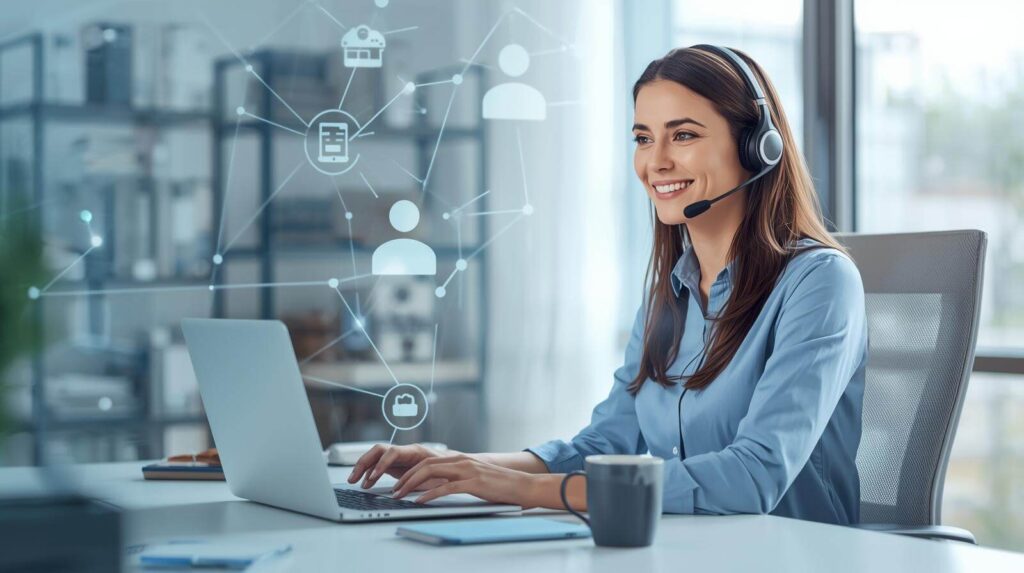
Work from home sales closers are responsible for converting warm or qualified prospects into paying clients through virtual sales conversations. Unlike appointment setters who focus on booking calls, closers handle discovery sessions, strategy calls, and final decision conversations. They ask in depth questions to uncover pain points, goals, and motivations so they can position the offer effectively. Most closers operate through video conferencing platforms, allowing them to build rapport despite physical distance. They manage objections related to price, timing, and trust with confidence and empathy. In many cases, they also track interactions inside CRM systems to ensure consistent follow up. The role requires both persuasive communication and strong organization to maintain a steady pipeline of opportunities.
Core Skills Every Work From Home Sales Closer Must Master
Remote selling demands a refined skill set because visual cues are limited and distractions can easily interrupt conversations. Active listening becomes even more important when body language is less visible. Successful closers control tonality, pacing, and clarity to maintain authority and warmth during calls. Emotional intelligence allows them to sense hesitation and respond strategically rather than react emotionally. They must understand buyer psychology and decision triggers to frame value over price. Self discipline is equally critical since there is no manager physically overseeing daily activity. Consistent performance tracking helps them refine scripts, improve close rates, and maintain accountability.
High Impact Skills That Separate Top Closers
In the middle of developing your remote closing career, it is important to recognize which skills truly drive performance. The following abilities consistently separate average performers from elite work from home sales closers.
• Advanced objection handling that addresses root concerns instead of surface excuses
• Strategic questioning that uncovers emotional buying motives
• Clear and confident tonality that builds authority
• Strong time blocking and calendar management
• Deep product knowledge that allows flexible conversation flow
• Resilience when facing rejection or stalled deals
• Data driven analysis of conversion metrics and call recordings
Mastering these competencies dramatically increases earning potential. Each skill compounds over time as experience grows. Remote selling rewards those who treat it as a craft rather than a side activity. Continuous improvement ensures long term sustainability in competitive markets.
Tools and Technology Powering Remote Closing
Technology serves as the backbone of modern work from home sales closers. Video conferencing tools such as Zoom and Google Meet allow seamless communication with prospects worldwide. CRM systems like HubSpot and Salesforce help track lead stages, follow ups, and performance metrics. Calendar scheduling software eliminates friction by automating appointment booking and reminders. Call recording tools enable closers to review conversations and refine their messaging. Proposal and contract management platforms simplify document signing and payment processing. With reliable internet connectivity and the right software stack, a closer can operate as efficiently as any in office sales department. Leveraging technology effectively often determines how smoothly deals progress from conversation to payment.
How Companies Benefit from Hiring Work From Home Sales Closers
Organizations that hire remote closers gain significant operational advantages. Overhead costs decrease because there is no need for office space, equipment, or in house management layers. Businesses can recruit talent globally instead of limiting themselves to local candidates. Specialized closers typically deliver higher conversion rates since their focus remains solely on closing deals. Performance based pay structures align incentives, meaning companies pay primarily for results. Scalability becomes easier during high growth periods because remote professionals can be added without major infrastructure investments. Remote systems also provide detailed tracking, giving leadership clear visibility into metrics and forecasting. For entrepreneurs looking to expand revenue without bloated expenses, remote closing offers a practical solution.
Income Potential and Compensation Structures
One of the most attractive aspects of becoming a work from home sales closer is the earning potential. Many roles operate on commission only structures, offering high percentages on premium offers. Others combine a modest base pay with performance bonuses to provide stability and motivation. High ticket programs priced in the thousands can generate substantial commissions from just a few closed deals each month. Some experienced closers negotiate retainer agreements alongside commission, ensuring consistent income. Earnings vary based on industry, offer quality, and lead flow consistency. Beginners may start with modest commissions while building skills and credibility. Seasoned professionals with proven track records can command premium compensation and multiple client contracts simultaneously.
How to Become a Work From Home Sales Closer
Entering the remote sales field does not always require traditional corporate experience. Transferable skills from customer service, consulting, or entrepreneurship can provide a strong foundation. Online sales training programs teach frameworks for discovery calls, objection handling, and closing techniques. Mentorship and role play practice accelerate skill development significantly. Building a strong resume with measurable sales metrics increases credibility when applying for roles. Recording a short professional video introduction can help potential clients evaluate communication style and confidence. Networking inside online business communities also opens doors to legitimate opportunities. Consistent learning and disciplined action create momentum for long term growth in this competitive space.
Common Challenges Faced by Remote Closers
Despite the opportunities, work from home sales closers face distinct challenges. Isolation can reduce motivation if there is little team interaction or support. Commission based roles sometimes create income fluctuations during slower months. Handling repeated rejection requires emotional resilience and strong mindset management. Inconsistent lead flow from poorly managed marketing campaigns can affect earnings. Technical issues such as unstable internet connections can disrupt important calls. Balancing multiple client contracts may create scheduling conflicts. Those who anticipate these obstacles and build structured routines are better equipped to maintain stable performance.
Best Practices for Long Term Success
Sustained success in remote closing requires more than persuasive language. Top performers consistently track conversion rates and analyze call data to identify patterns. They refine scripts while maintaining authentic and natural conversation flow. Continuous education in sales psychology and communication techniques keeps them competitive. Protecting mental health through structured schedules and boundaries prevents burnout. Building long term relationships with clients often leads to repeat business and referrals. Establishing clear expectations with companies ensures alignment in goals and compensation. Discipline, adaptability, and strategic thinking create lasting career stability in the remote sales environment.
Industries Actively Hiring Work From Home Sales Closers
Several industries aggressively recruit skilled remote closers. High ticket coaching and consulting programs frequently rely on virtual sales calls to enroll clients. SaaS companies use remote teams to demonstrate software solutions and close subscriptions. Digital marketing agencies depend on closers to convert strategy call prospects into retainer clients. Online education creators selling premium courses also require experienced sales professionals. Financial service firms and investment programs often use remote conversations to secure clients. Health and wellness brands offering premium packages increasingly embrace virtual selling. The diversity of industries means talented closers can select niches aligned with their interests and expertise.
Frequently Asked Questions About Work From Home Sales Closers
What is the average income of work from home sales closers
Income varies widely depending on commission percentage, product pricing, and monthly lead volume. High performers in strong markets can earn substantial monthly commissions, while beginners may need time to build consistent results. Evaluating the offer and compensation plan carefully is essential before committing.
Do I need previous sales experience to start
Prior sales experience is helpful but not always mandatory. Strong communication skills, confidence, and willingness to learn can open opportunities. Many companies value coachability and performance mindset as much as formal background.
Are remote closers employees or independent contractors
Many work from home sales closers operate as independent contractors, especially in high ticket industries. Some companies provide employment agreements with structured compensation. Understanding the legal and tax implications of each setup is important.
How many hours do remote sales closers typically work
Work schedules depend on call volume and company expectations. Some roles require full time availability, while others allow flexible part time hours. Performance metrics usually matter more than strict time tracking.
Is commission only compensation risky
Commission only roles carry income variability, particularly if lead flow is inconsistent. However, strong offers with proven marketing systems can provide significant upside. Evaluating product demand and lead quality reduces risk.
How can I increase my close rate
Improving discovery questions, refining objection handling, and reviewing call recordings can significantly raise conversion percentages. Consistent practice and feedback accelerate skill development. Tracking metrics helps identify where improvements are needed.
Takeaway
Work from home sales closers occupy a powerful position in today’s digital marketplace. Companies value them for their ability to convert qualified prospects into revenue without geographic limitations. For driven professionals, the role offers flexibility, performance based income, and long term scalability. Mastering communication, psychology, and self management separates average performers from elite closers. With the right tools, training, and discipline, remote closing can evolve from a simple job into a highly rewarding career path.