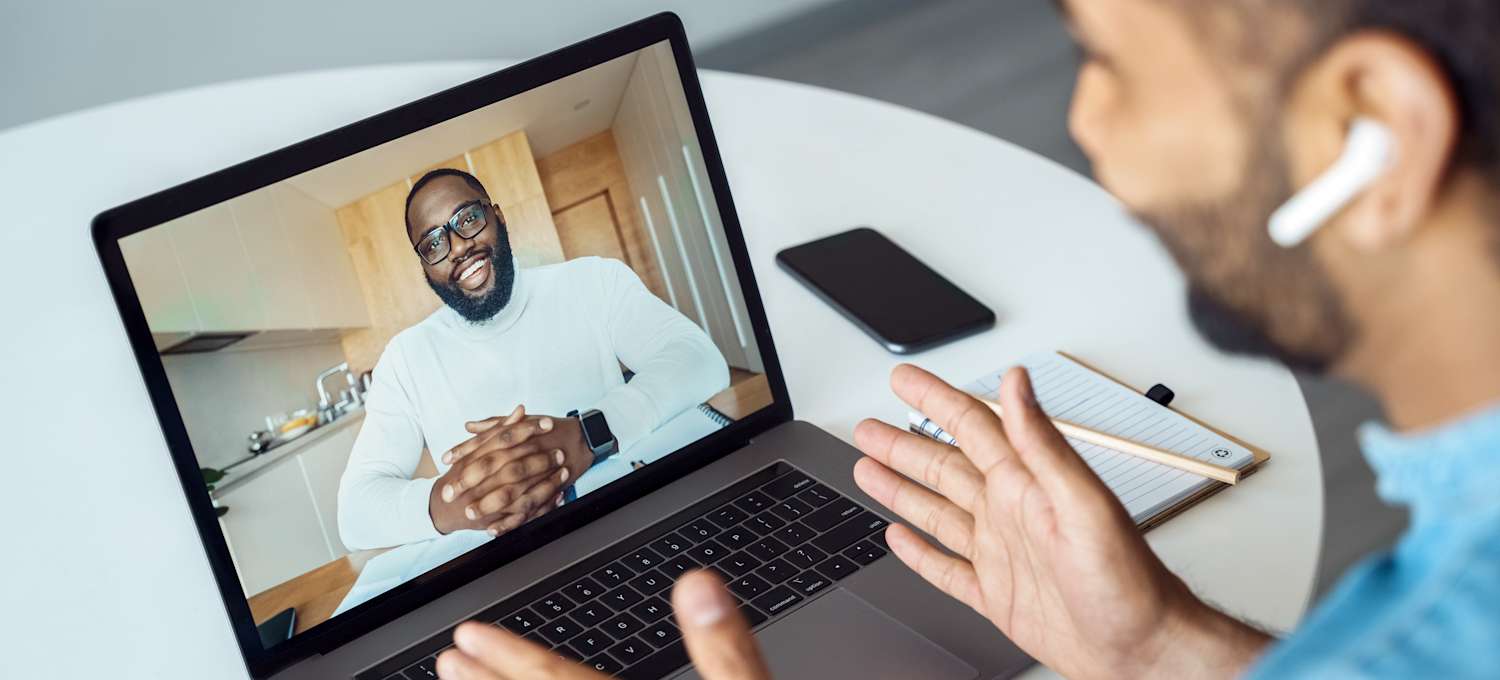
Working as a home-based sales closer has become one of the most sought-after career options for professionals looking to earn a substantial income while enjoying flexibility. These roles allow individuals to handle high-value sales deals from the comfort of their homes without the need to commute to an office. Unlike traditional sales positions that rely heavily on face-to-face interactions, home-based sales closer jobs focus on virtual communication and building strong client relationships online. Companies across industries such as tech, education, coaching, and digital services actively hire remote closers to expand their sales teams. The demand for skilled remote closers is growing as businesses recognize the efficiency and cost-effectiveness of hiring professionals who work from home. This career path provides the opportunity to work independently, manage your schedule, and earn based on performance. For anyone interested in sales, home-based sales closer roles combine the thrill of closing deals with the convenience of remote work.
Understanding Home Based Sales Closer Jobs
A home-based sales closer is responsible for guiding potential clients through the final stages of the sales process and securing deals without physically visiting the clients. These professionals must have strong communication skills, a persuasive approach, and the ability to handle objections effectively. Unlike standard sales representatives, home-based closers often work independently, requiring a high level of self-motivation and discipline. They interact with leads via phone calls, video conferencing, and emails to present products or services convincingly. Many industries prefer hiring remote closers because it reduces overhead costs while reaching clients from various locations. Home-based closers may specialize in specific sectors, including software, coaching programs, or high-ticket consulting services. Their role is crucial in converting interested leads into paying customers, making them highly valuable to any business.
Skills and Qualifications Needed
To excel in home-based sales closer jobs, certain skills are non-negotiable. Strong verbal communication and active listening are essential for understanding client needs and presenting solutions effectively. Negotiation and objection-handling skills help overcome barriers that may prevent a sale. Technical skills, including familiarity with CRM software, email management tools, and video conferencing platforms, are critical for remote work efficiency. Self-discipline and time management ensure that targets are met even without direct supervision. Some professionals benefit from sales certifications or training programs that enhance their credibility and marketability. Confidence and persistence are equally important as rejection is a natural part of sales. Continuous learning and adapting to new sales strategies can significantly boost performance and earning potential.
Typical Job Responsibilities
Home-based sales closers are responsible for managing the sales cycle from lead engagement to deal closure. This includes conducting calls or virtual meetings to present products or services, addressing client objections, and persuading potential buyers. They maintain detailed records of interactions, track progress in CRM systems, and report results to management. Building long-term relationships with clients is crucial for repeat business and referrals. Closers often follow up with leads multiple times, ensuring that no opportunity is missed. They may collaborate with marketing teams to understand lead sources and improve conversion strategies. Ultimately, their primary focus is to generate revenue by turning interested prospects into satisfied customers.
How to Find Home Based Sales Closer Jobs
Finding remote sales roles requires a strategic approach. Many top job boards and websites specialize in remote opportunities, including platforms like LinkedIn, Indeed, and specialized remote work portals. Networking in online communities for sales professionals can also open doors to opportunities not advertised publicly. Joining LinkedIn groups, sales forums, and virtual events allows professionals to connect with recruiters and industry leaders. Recruitment agencies focusing on remote sales roles can match candidates with companies that fit their skills. Freelancing platforms sometimes offer short-term sales projects that can build experience. Creating a strong online presence, showcasing sales experience, and demonstrating remote work readiness can increase chances of landing high-quality roles. Persistence and regular follow-ups are key to securing the best positions.
Compensation and Earnings Potential
Home-based sales closer jobs often offer commission-based compensation, though some positions include a base salary plus commission. This allows high-performing closers to earn significantly more than traditional sales roles. Entry-level remote closers may start with lower commissions but can scale earnings as experience and skill improve. Factors such as industry, product price, and individual performance affect income levels. High-ticket sales positions can provide six-figure earning potential for experienced closers. Additional benefits may include flexible schedules, bonuses, and access to professional development programs. Understanding compensation structures and choosing roles that align with personal income goals is essential for maximizing success in this field.
Benefits of Working as a Home-Based Sales Closer
Remote closing offers several advantages that appeal to modern professionals. Flexibility is one of the most attractive aspects, allowing individuals to work from anywhere and set their own schedules. Eliminating commuting saves time and reduces stress while also cutting costs for transportation and meals. Working from home provides a comfortable environment that can increase focus and productivity. Home-based sales closers can take on multiple clients or freelance for different companies to diversify income streams. The role also enhances professional skills, including sales strategies, communication, and negotiation. Over time, closers develop valuable expertise that opens doors to higher-paying opportunities and career growth.
Challenges of Remote Sales Closing
While home-based sales closer jobs have many benefits, they also come with challenges. Staying focused amidst home distractions requires discipline and a well-structured workspace. Handling rejection without in-person team support can be emotionally taxing. Technical issues such as unreliable internet connections can disrupt meetings and productivity. Some closers struggle with time management without clear office hours. Maintaining motivation over long periods requires setting goals and tracking performance. It can also be challenging to build client trust without face-to-face interaction. Overcoming these challenges involves creating routines, using technology effectively, and developing resilience.
Tools and Resources to Succeed
Using the right tools can make a significant difference for home-based sales closers. CRM software helps track leads, manage client information, and measure performance. Video conferencing platforms allow smooth virtual meetings and presentations. Scheduling tools help manage appointments and follow-ups efficiently. Online sales training courses and workshops provide techniques for improving closing rates. Sales scripts can guide conversations and improve confidence during calls. Joining communities or mentorship programs connects closers with experienced professionals who offer guidance and feedback. Regularly updating tools and skills ensures continued success in a competitive remote sales market.
Frequently Asked Questions
What is the difference between a remote sales rep and a home-based sales closer? Remote sales reps often generate leads and conduct outreach, while home-based closers focus on finalizing deals with interested prospects.
Do I need prior sales experience to become a home-based sales closer? While experience helps, some companies offer training programs for motivated individuals with strong communication skills.
How do commissions work for remote sales closers? Commissions are typically based on the sales value or a percentage of deals closed, with some roles offering bonuses for exceeding targets.
Are home-based sales closer jobs full-time or part-time? Both options exist, allowing professionals to choose roles that fit their schedules.
What are the most in-demand industries for home-based closers? Digital services, high-ticket coaching, software, and consulting sectors frequently hire remote closers due to their high-value products and services.
Takeaway
Home-based sales closer jobs offer a unique blend of flexibility, earning potential, and skill development. For driven individuals, these roles provide the chance to build a rewarding career while working from home. Success requires strong communication skills, discipline, and the right tools. By understanding job responsibilities, mastering sales techniques, and leveraging online resources, professionals can thrive in this fast-growing remote career. Whether seeking part-time work or a full-time high-income career, home-based sales closing opens doors to opportunities that traditional sales roles cannot match.